
Understanding Sciatica
Sciatica is one of the most common reasons people seek care for lower back and leg pain. If you’re experiencing pain that starts in your lower back or buttock and travels down your leg, sciatica may be the cause.
At our West Hamilton clinic, we regularly help patients understand their symptoms and develop a treatment plan aimed at reducing pain, improving mobility, and helping them return to their daily activities.
What Is Sciatica?
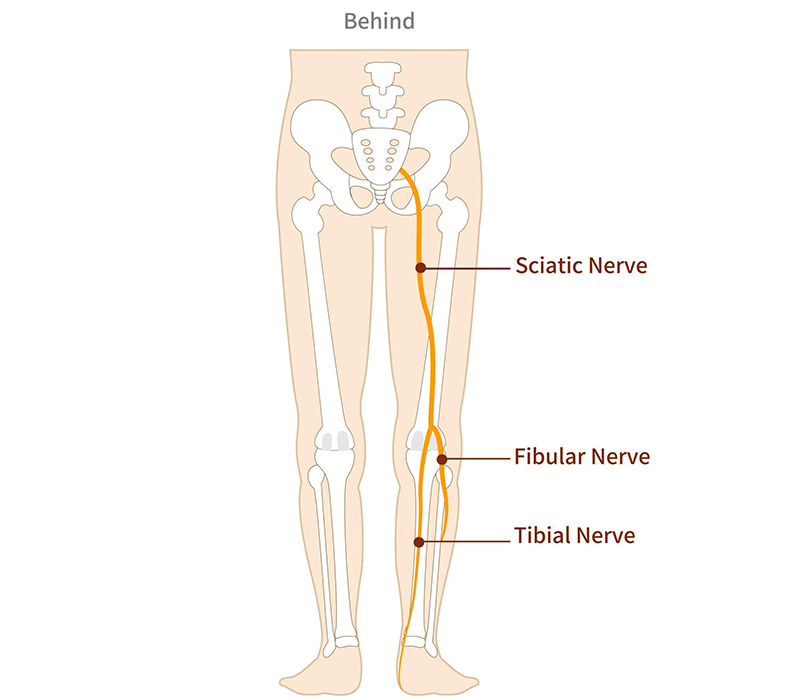
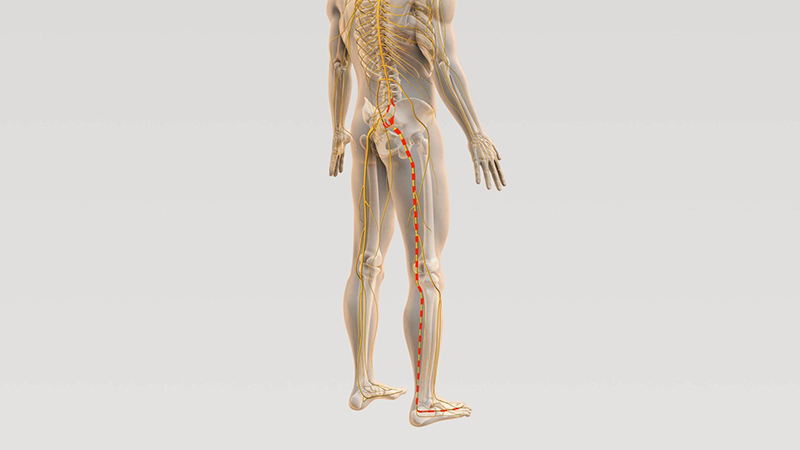
Sciatica refers to irritation or compression of the sciatic nerve, the largest nerve in the body. The sciatic nerve begins in the lower back and travels through the buttocks and down each leg.
When this nerve becomes irritated, it can cause symptoms anywhere along its path.
2. The "Offloading" Miracle: The PROP OA Trial 🔬
How can a piece of gear stop arthritis pain? It all comes down to physics.
A landmark independent trial published in The BMJ (The PROP OA Trial) put specialized knee bracing to the test. They wanted to see what happens when you mechanically shift a patient’s weight.
The results were incredible. By using a brace designed to “offload”—which means it gently pushes the joint to shift your body weight away from the damaged, bone-on-bone side of the knee—patients experienced massive, measurable drops in pain. The brace literally creates a microscopic gap in your joint so your bones stop grinding together while you walk.
Common Symptoms of Sciatica
Symptoms may include:
- Pain in the lower back, buttock, or leg
- Sharp, burning, or shooting pain down the leg
- Numbness or tingling in the leg or foot
- Muscle weakness in the leg
- Pain that worsens when sitting for long periods
- Difficulty standing up from a seated position
Some people experience mild discomfort, while others may find their symptoms significantly affect work, exercise, or daily activities.
What Causes Sciatica?
Several conditions can contribute to sciatic nerve irritation, including:
- Disc Herniation
- A bulging or herniated disc in the lower back can place pressure on the sciatic nerve.
- Degenerative Changes
- Age-related changes in the spine may narrow the spaces where nerves travel.
- Stenosis
- Condition involves narrowing of the spinal canal, which can place pressure on nerves.
- Piriformis Syndrome
- The piriformis muscle in the buttock can sometimes irritate the sciatic nerve.
- Pregnancy
- Changes in posture and increased pressure on the lower back can contribute to sciatic symptoms.
When Should You Seek Professional Care?
While some cases of sciatica improve on their own, you should consider seeking professional assessment if:
- Symptoms persist for more than a few weeks
- Pain is severe or worsening
- Numbness or tingling is increasing
- Daily activities are becoming difficult
- You are unable to work or exercise comfortably
Seek immediate medical attention if you experience loss of bladder or bowel control, significant leg weakness, or numbness in the groin area.
How Chiropractic Care Can Help
A thorough assessment is important to determine the source of your symptoms and whether chiropractic care is appropriate.
Depending on the findings, treatment may include:
- Joint mobilization or spinal manipulation
- Soft tissue therapy
- Stretching and mobility exercises
- Strengthening exercises
- Postural and ergonomic advice
- Activity modification recommendations
➡️ The goal is to improve movement, reduce irritation of affected tissues, and help you safely return to your normal activities.
Exercises for Sciatica
Exercise recommendations should be individualized, but commonly prescribed exercises may include:
- Walking programs
- Core stabilization exercises
- Hip mobility exercises
- Gentle nerve mobility exercises
- Lower back mobility exercises
➡️ Not every exercise is appropriate for every case of sciatica, which is why a professional assessment is important before beginning a new exercise program.
Sciatica Treatment in West Hamilton
If you’re experiencing lower back pain, leg pain, numbness, or tingling, an assessment can help determine whether sciatica is contributing to your symptoms.
Our West Hamilton clinic provides evidence-informed assessment and treatment for a variety of musculoskeletal conditions, including sciatica. We work with patients to identify the cause of their symptoms and develop a personalized treatment plan aimed at helping them move and feel better.